
Osteopathy Treatment in Noida Sector 78
“Realigning your body's structural systems for natural recovery.”
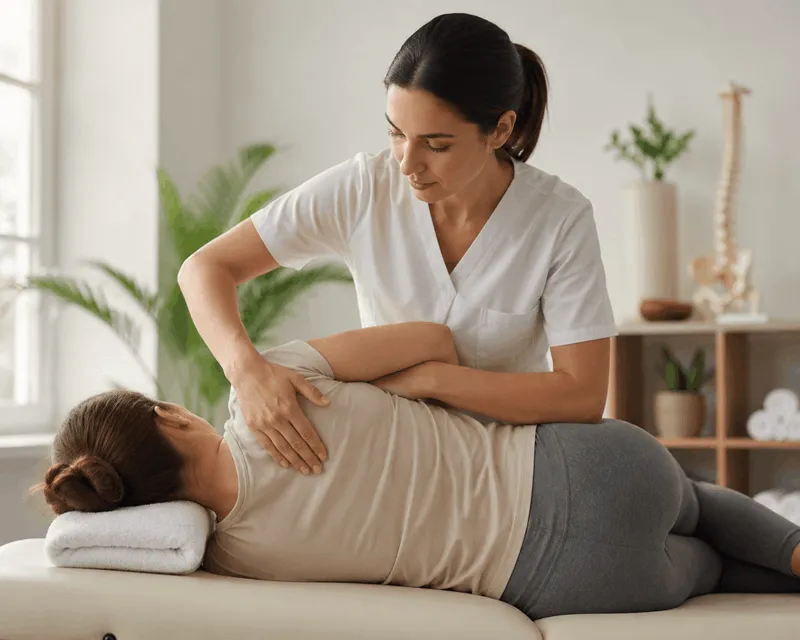
Osteopathy is a non-invasive manual therapy that focuses on total body health by treating and strengthening the musculoskeletal framework. Rather than focusing solely on the point of pain, osteopathy uses gentle manipulation of joints, muscles, and fascia to improve blood supply, nerve conductivity, and support self-healing.
Estimated Duration
45 - 60 minsClinical Context & Scope
Osteopathy was founded in the late 19th century by Dr. Andrew Taylor Still, who recognized that the body's structure and function are intimately connected. Today, clinical osteopathy is a comprehensive manual healthcare system that treats structural skeletal and fascial imbalances. By addressing restrictions in joints, muscles, and ligaments, osteopathy helps optimize the body's nervous system, lymphatic drainage, and cardiovascular circulation. It is based on the principle that the body has an innate capacity to regulate and heal itself once structural barriers are manually cleared.
Who is this Recommended For?
- Individuals with chronic structural posture issues
- Office workers suffering from desk-bound physical fatigue
- Patients seeking non-medicinal relief from joint restriction
- People experiencing radiating nerve stiffness or mild scoliosis
Biomechanical Mechanism
How it Works
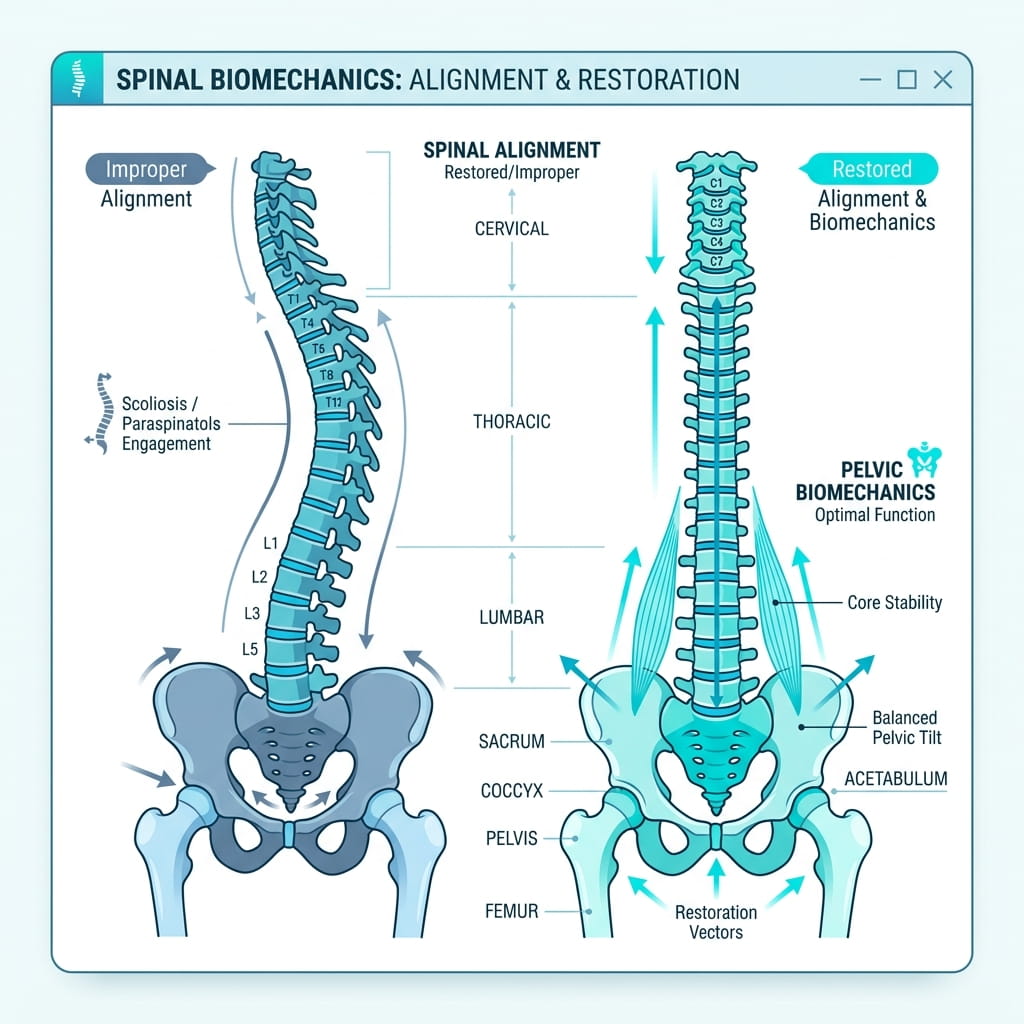
Osteopathic adjustments rely on gentle myofascial release, joint articulation, and muscle energy techniques. The therapy works by decreasing the activity of the sympathetic nervous system, releasing hypertonic muscle fibers, and correcting joint micro-subluxations. This relieves pressure on spinal nerves, restores vascular microcirculation, and reduces local inflammatory cycles.
Anatomy & Technique Guide
Anatomical Focus
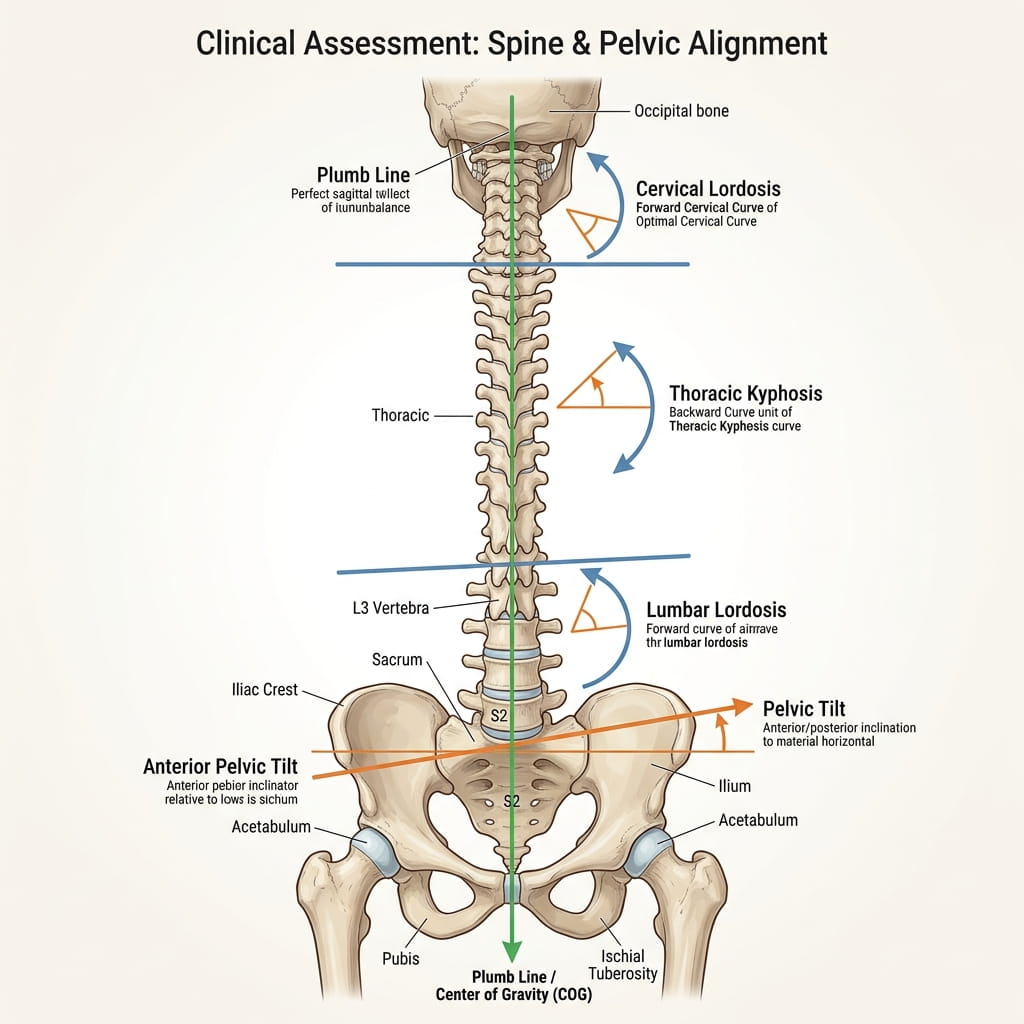
Craniosacral system, pelvic symmetry, and myofascial kinetic chains.
Therapeutic Milestones
Biomechanical decompression of spinal nerves
Restoration of joint mobility and fluid dynamics
Long-term structural alignment and postural stability
Conditions Managed
- Chronic lower back pain and spinal stiffness
- Postural fatigue and ergonomic joint strain
- Sciatica and radiating nerve pain
- Tension headaches and neck stiffness
Key Therapy Benefits
- Restores structural spinal alignment and pelvic symmetry
- Reduces structural tension and fascial restrictions
- Improves joint range of motion and overall flexibility
- Enhances vascular blood flow and lymphatic drainage
Our Treatment Process
Clinical palpation and structural assessment
Gentle soft-tissue stretching and fascial release
Myofascial and passive joint mobilization
Custom postural advice and home movements
Watch Clinical Exercise Demos
Follow Dr. Anshika Maheshwari on YouTube for step-by-step posture and rehabilitation tutorials.
Complementary Therapies & Care
Manual Therapy
Hands-on spinal mobilization, joint manipulation, and deep tissue activation to restore pain-free motion.
Cupping Therapy
Traditional myofascial decompression therapy that accelerates cellular repair and increases local blood circulation.
Dry Needling
Insertion of micro-needles into muscular trigger points to immediately release chronic tension and spasms.
Ready to schedule this treatment?
Consult with Dr. Anshika Maheshwari in Sector 78 Noida to confirm if Osteopathy is the correct protocol for your diagnosis.