
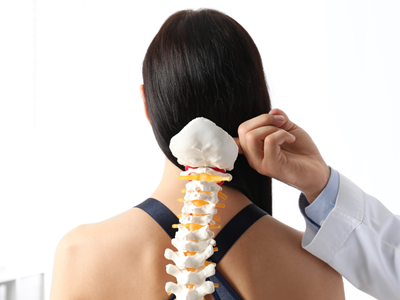
Orthopaedic Physiotherapy Treatment in Noida Sector 78
“Clinical rehabilitation for bone, joint, ligament, and muscle disorders.”
Orthopaedic Physiotherapy focuses on diagnosing, managing, and treating disorders of the musculoskeletal system. From osteoarthritis and slip disc to frozen shoulder and ligament tears, our expert protocols restore joint mechanics and speed tissue recovery.
Estimated Duration
45 - 60 minsClinical Context & Scope
Orthopaedic Physiotherapy is the cornerstone of clinical physical therapy. It deals with injuries and diseases affecting bones, muscles, joints, tendons, and ligaments. This branch of therapy combines passive modalities (like dry needling or heat) with hands-on manual techniques and active exercises. The goal is to reduce swelling, normalize joint movement, and build support around the injured skeletal structure. It is crucial for managing arthritis, cartilage wear, and spine disorders.
Who is this Recommended For?
- Patients suffering from knee osteoarthritis or hip stiffness
- Individuals recovering from ligament tears (ACL, meniscus sprains)
- People experiencing radiating slip disc pain (cervical/lumbar)
- Patients with severe frozen shoulder or shoulder impingement
Biomechanical Mechanism
How it Works
Orthopaedic rehab is based on a thorough biomechanical assessment of joint mobility, muscle length, and nerve tension. Treatment focuses on joint mobilization to restore lost range of motion, stretching to lengthen tight muscle groups, and isometric/isotonic strengthening of joint-supporting musculature to prevent structural overload.
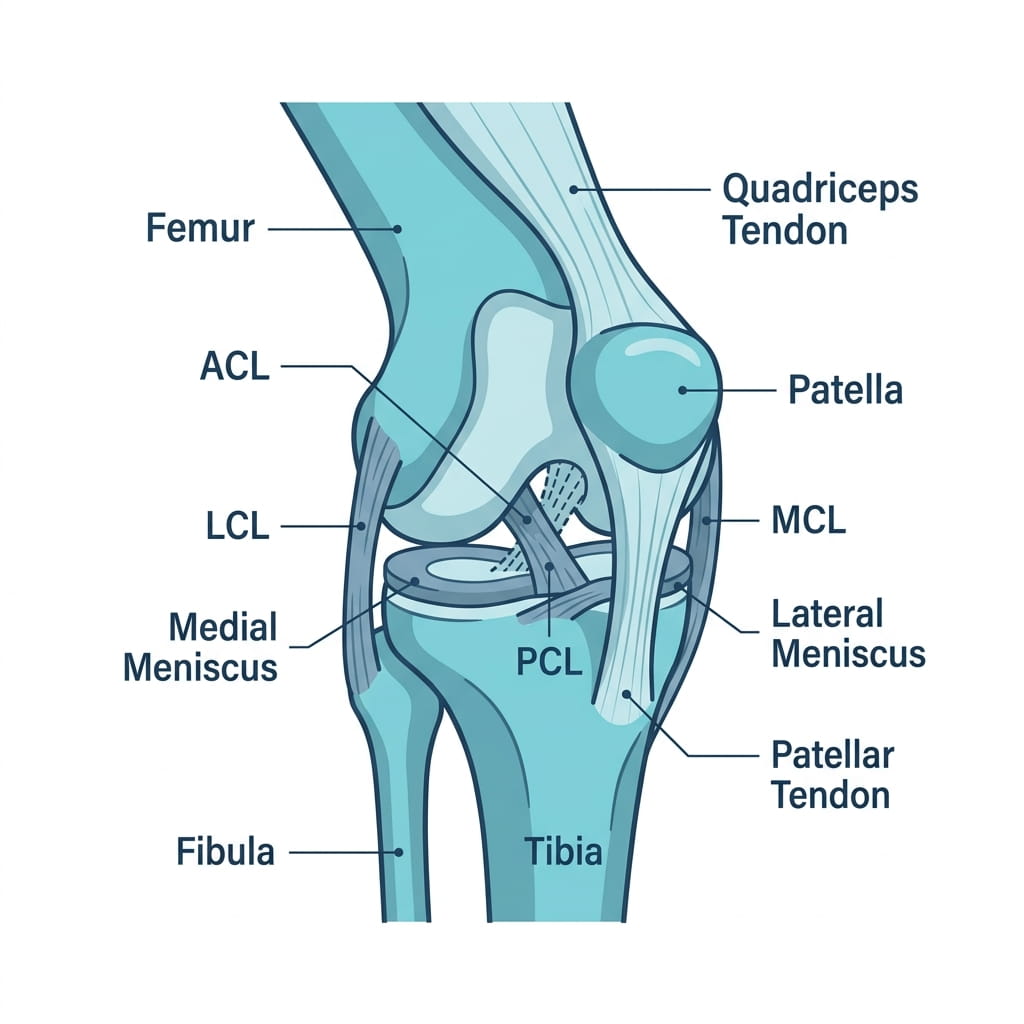
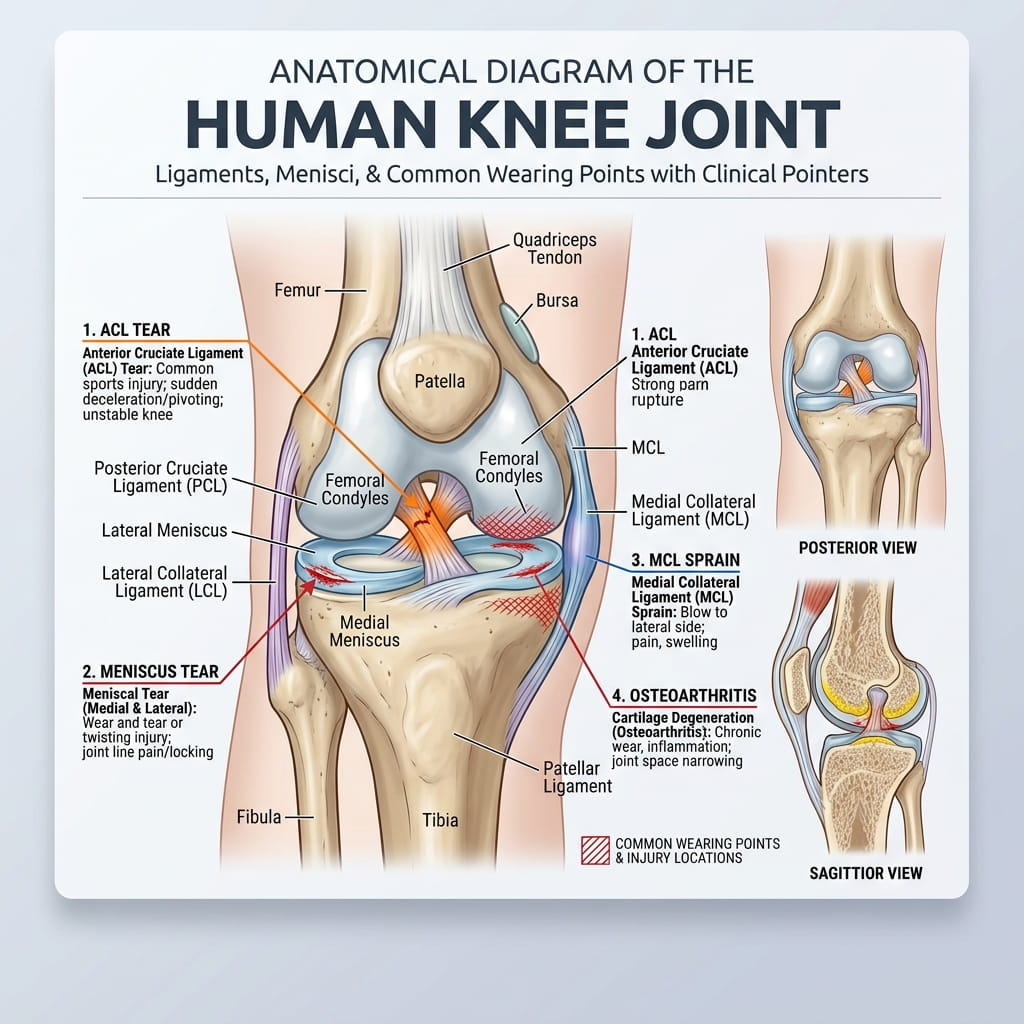
Anatomy & Technique Guide
Anatomical Focus
Joint articular cartilage, capsular ligaments, and nerve pathways.
Therapeutic Milestones
Elimination of acute joint pain and inflammatory cycles
Gradual restoration of passive and active joint range of motion
Targeted strengthening of structural joint stabilizers
Conditions Managed
- Knee osteoarthritis and patellofemoral pain
- Cervical and lumbar disc herniation (slip disc)
- Frozen shoulder and rotator cuff tendinopathy
- Ankle sprains and Achilles tendonitis
Key Therapy Benefits
- Reduces joint inflammation, pain, and local muscle guarding
- Restores healthy joint range of motion and movement patterns
- Strengthens the muscles surrounding worn-out joints
- Accelerates healing of torn ligaments, tendons, and muscles
Our Treatment Process
Comprehensive orthopedic and nerve assessment
Inflammation control using targeted physical therapy modalities
Hands-on joint mobilization and soft tissue release
Progressive active stretching and muscle strengthening
Watch Clinical Exercise Demos
Follow Dr. Anshika Maheshwari on YouTube for step-by-step posture and rehabilitation tutorials.
Complementary Therapies & Care
Osteopathy
Holistic manual care designed to restore systemic body alignment, joint function, and fascial release.
Manual Therapy
Hands-on spinal mobilization, joint manipulation, and deep tissue activation to restore pain-free motion.
Cupping Therapy
Traditional myofascial decompression therapy that accelerates cellular repair and increases local blood circulation.
Ready to schedule this treatment?
Consult with Dr. Anshika Maheshwari in Sector 78 Noida to confirm if Orthopaedic Physiotherapy is the correct protocol for your diagnosis.