Rebuild Movement, Balance & Independence After Stroke or Brain Injury
“Neurodevelopmental therapy (NDT/Bobath), gait re-education, and motor recovery.”
Recovery after a stroke (ischemic or hemorrhagic) relies on neuroplasticity—the brain’s extraordinary ability to rewire motor pathways and establish new neural connections. Our neuro-physiotherapy program delivers specialized task-specific training, spasticity management, gait re-education, and upper limb functional rehabilitation.
Common Symptoms
- Hemiplegia / hemiparesis: Weakness or paralysis on one side of the body
- Muscle spasticity: High muscle tone causing tight fists, flexed elbow, or inverted foot
- Balance impairment and high risk of falls during standing or walking
- Difficulty coordinating movements for eating, dressing, or writing
- Foot drop during gait swing phase
Root Biomechanical Causes
- Ischemic or hemorrhagic cerebrovascular accident (CVA/stroke)
- Traumatic brain injury or spinal cord trauma
- Parkinson’s disease, multiple sclerosis, or peripheral neuropathy
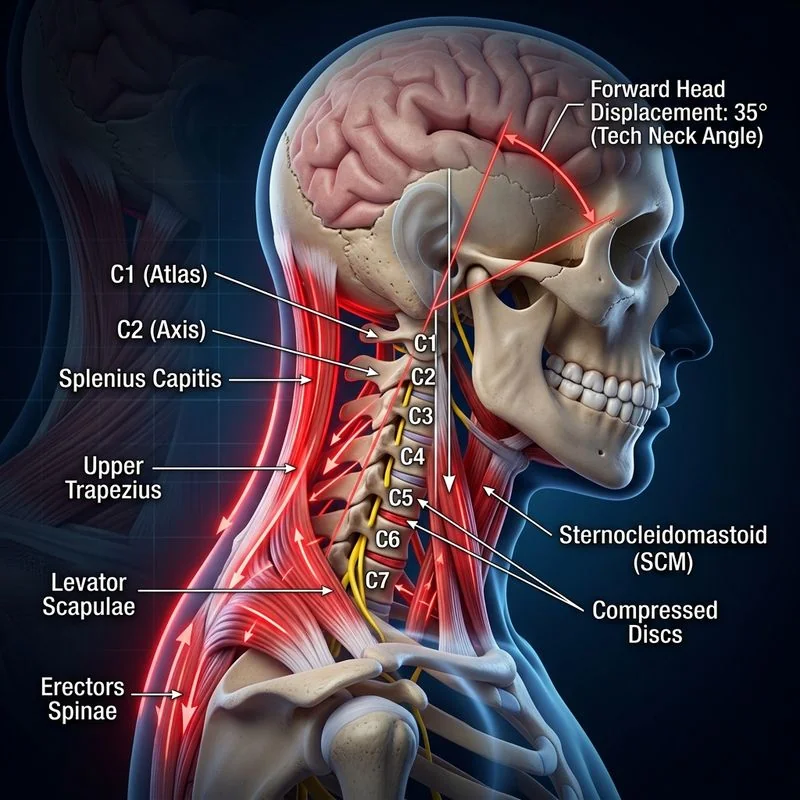
Biomechanical Anatomy & Nerve Path
Understanding the underlying spinal segments, nerve pathways, and joint lines allows us to apply precise manual techniques to decompress impingements without invasive procedures.
Clinical Insight
Every treatment at Be Your Therapist is administered directly by Dr. Anshika Maheshwari (MPT - Ortho) with specialized osteopathic and manual precision.
Our 4-Phase Non-Surgical Treatment Protocol
Phase 1: Spasticity Reduction & Joint Preservation
Sustained stretching, functional electrical stimulation, and joint positioning to prevent contractures and shoulder subluxation.
Phase 2: Trunk Control & Balance Re-Education
Core and pelvic stability training on therapeutic balls and balance platforms to restore safe seated and standing balance.
Phase 3: Task-Specific Upper Limb Motor Retraining
Constraint-induced movement therapy (CIMT) and bilateral motor training for arm and finger dexterity.
Phase 4: Gait Training & Independent Locomotion
Parallel bar stepping, body-weight supported treadmill training, and assistive device weaning.
Expected Recovery Timeline
Month 1: Significant reduction in limb spasticity and independent bed mobility
Months 2–3: Independent standing balance and supported walking with quad-cane or walker
Months 4–6: Functional arm reach, grasp capability, and unassisted domestic independence
Clinical Home Exercise Prescriptions
Reinforce joint alignment between clinical sessions with these prescribed home drills.
Bridging with Pelvic Alignment
Focus: Hip extensor activation for gait
Weight-Shifting Stepping Drills
Focus: Dynamic standing balance
Finger Extension & Grasp Training
Focus: Fine motor control
Integrated Therapies Used for this Condition
Frequently Asked Questions
When should stroke rehabilitation begin?
Rehabilitation should begin as soon as the patient is medically stabilized (often within 24 to 48 hours in hospital, followed immediately by comprehensive outpatient clinical neuro-physiotherapy).
How does neuroplasticity help in stroke recovery?
Neuroplasticity allows undamaged brain cells to take over functions previously handled by the damaged area through repeated, focused therapeutic movement drills.
Ready to begin your recovery?
Book a 1-on-1 diagnostic consultation with Dr. Anshika Maheshwari at Be Your Therapist in Sector 78 Noida.